Goodbye Salad Dressing: A Healthy Alternative
Welcome to another entry in our series, “Things I No Longer Buy.” Today, we’re diving into an often-overlooked topic: salad dressing! You might be surprised to learn that eating lots of salads could actually lead to heart issues. You may wonder how this is possible when you’re just eating lettuce and vegetables. The answer typically lies in the dressing you choose.
A Brief History of Salads
Salads didn’t gain popularity until the late 1800s, and even then, they were seen as more refreshing than nutritious. Early salad dressings were mostly made from animal products like heavy cream, or milk thickened much like gravy. Oils, at that time, were not commonly used as they were expensive and difficult to obtain. When oil started to gain traction in the 1930s, many began to shift to margarine and vegetable oils, leading to a 400% increase in their consumption from 1910 to 1970. Today, it’s nearly impossible to find salad dressings in stores that aren’t made from vegetable oils, particularly soybean oil, which is often genetically modified
The Risks of Commercial Dressings
Not only are vegetable and soybean oils unhealthy, but many store-bought dressings are also loaded with unhealthy additives, preservatives, and sugars that diminish the health benefits of your salad. It’s disheartening to realize that what you thought was a healthy choice can instead contribute to health issues.
Historical Insights
In my pursuit of healthier living, I’ve explored traditional cookbooks. Interestingly, the first published recipe book in the United States contains no salad recipes at all! The recipes focus on wholesome dishes, like beet greens and dandelion greens. These were prepared by simmering in salt water until tender, adding butter, salt, and pepper – then serving the greens with a side bottle of homemade vinegar. Observing historical diets, such as those of Jews in Yemen, reveals that they relied on animal fats but had low rates of heart disease, even with a significant carbohydrate intake from sugar. In contrast, Jews in Israel who consumed margarine and vegetable oils experienced higher rates of heart disease and diabetes.
Similarly, in the communities we work with in Liberia and Kenya, many rely on low-cost processed margarine and vegetable oils, which has led to increasing rates of heart disease and diabetes
Rethinking Fats
Saturated fats have been wrongly portrayed as unhealthy for far too long. In reality, they are stable fats that rarely go rancid, making them ideal for cooking. Examples include coconut oil, avocado oil, and animal fats. My guiding principle for choosing fats is whether I could produce them in my own kitchen. For animal fats, that’s a yes, and often the same goes for tropical fats.
At our training center, we have red palm trees, and simply touching the ripe palm kernels leaves oil on my hands—God’s bounty in His creation! However, extracting oil from seeds is less straightforward and often requires special equipment and a lot of hard work.
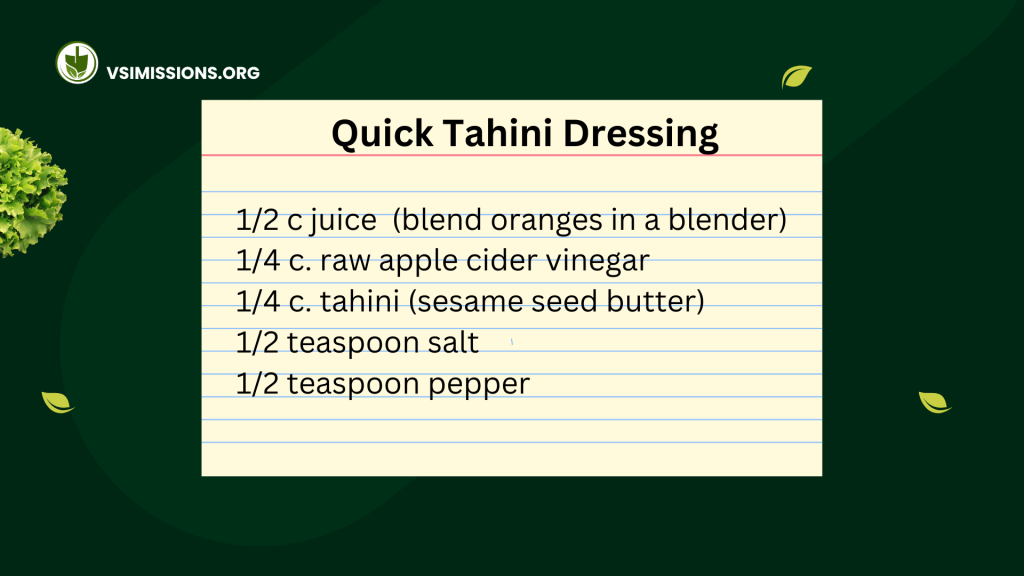
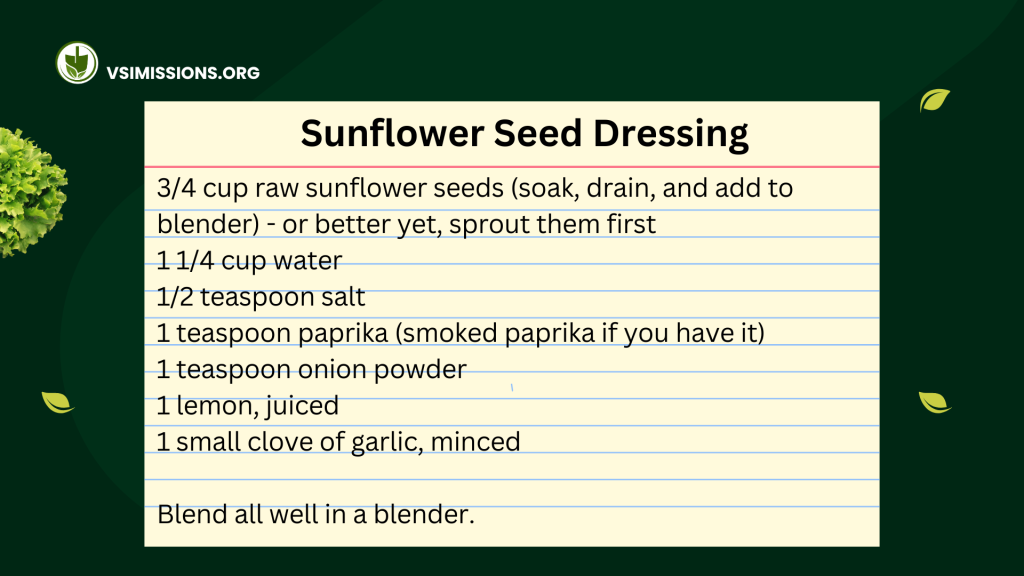
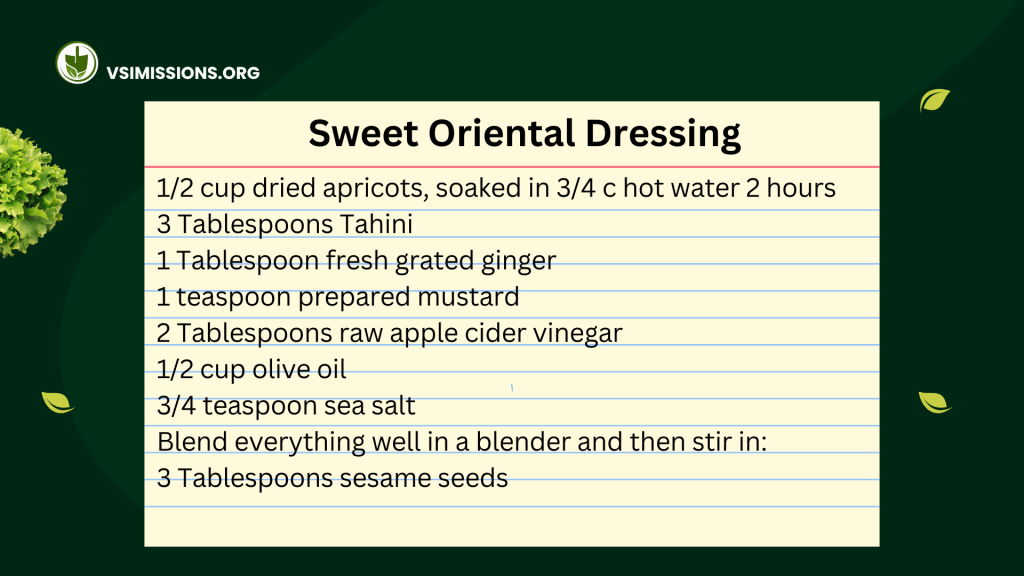
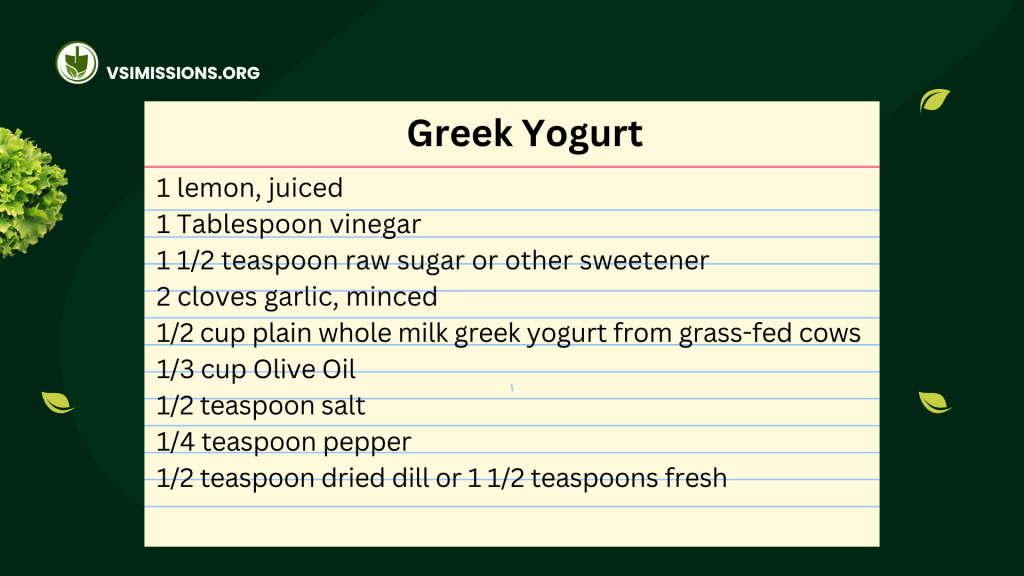
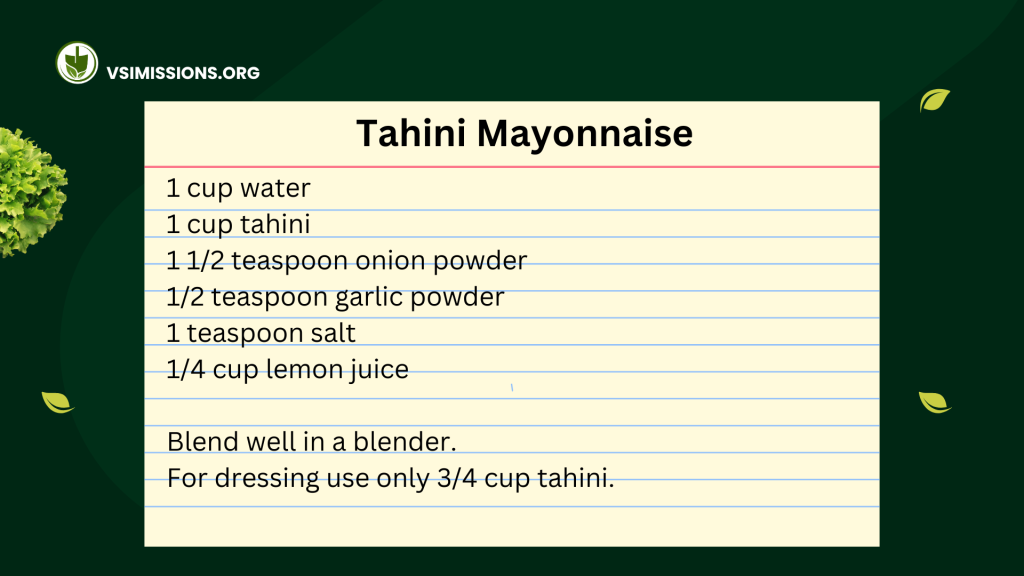
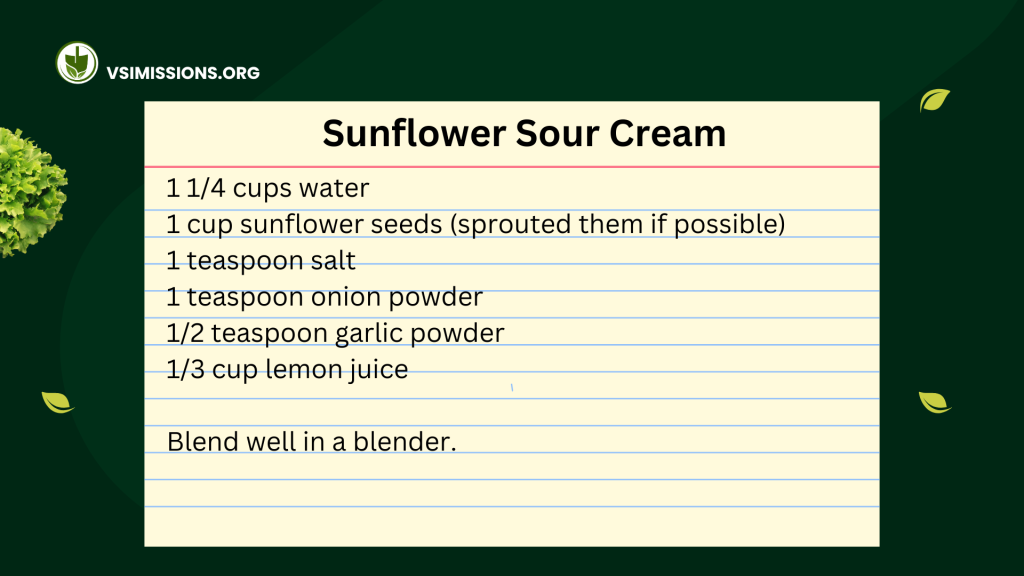
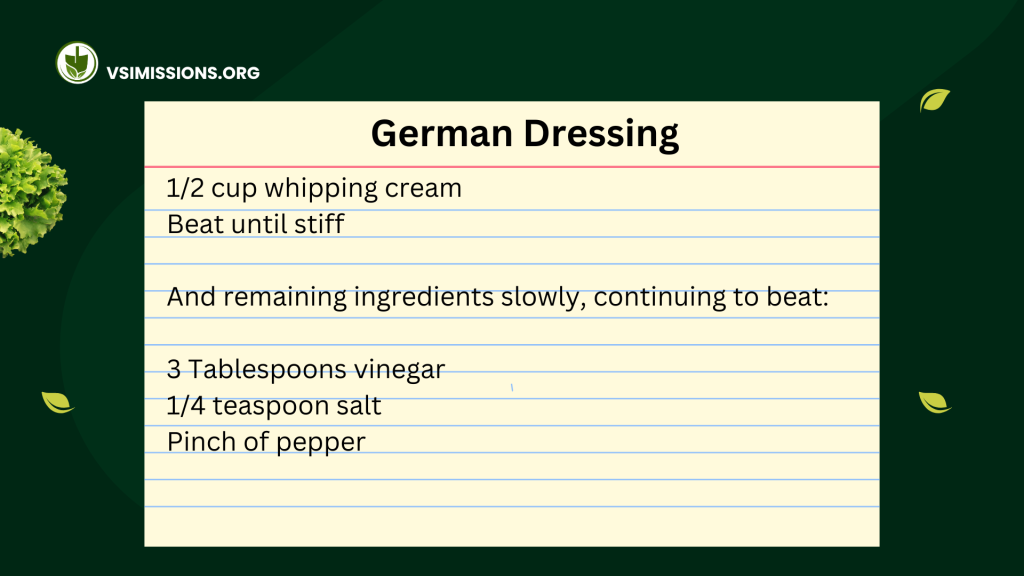
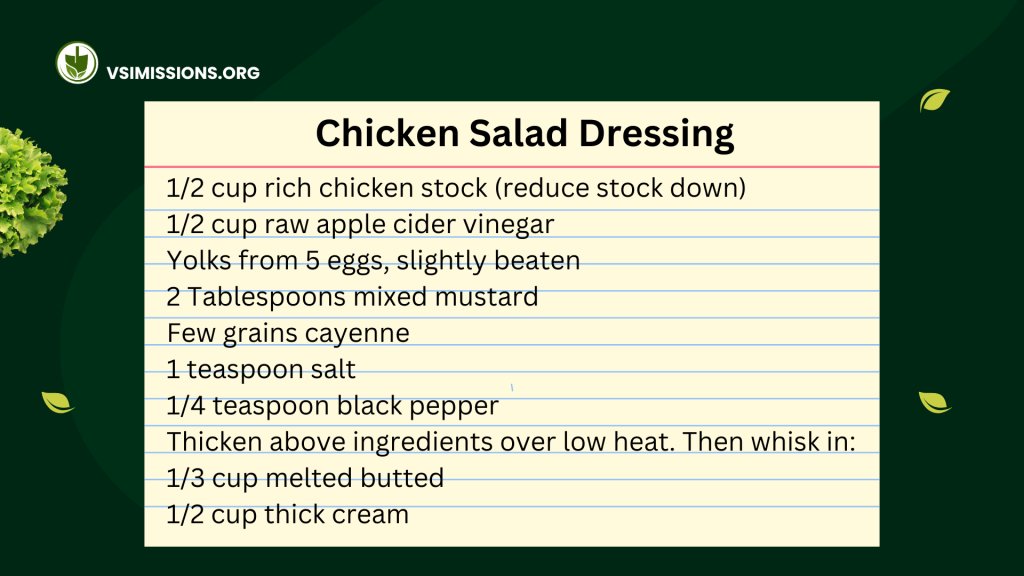
One of my favorite sources of fat for dressings comes from whole food sources like seeds or fresh avocados. Sunflower and sesame seeds serve as excellent bases for dressings, especially since they can be sprouted and stored in the freezer. Sprouting can increase nutrients by an average of 400%, making them incredibly nutrient-dense ingredients to blend into quick dressings.
Cautions About Nuts
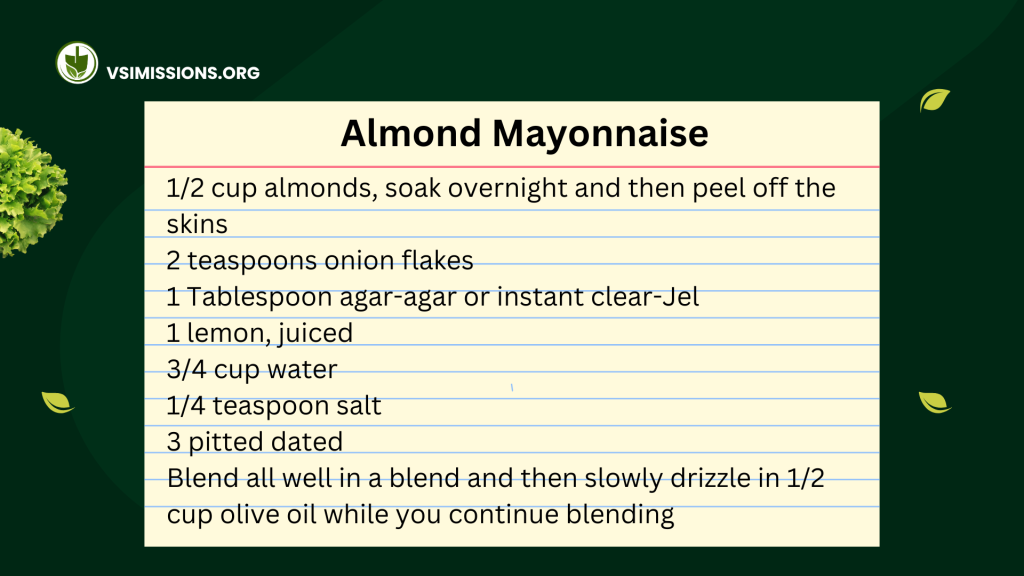
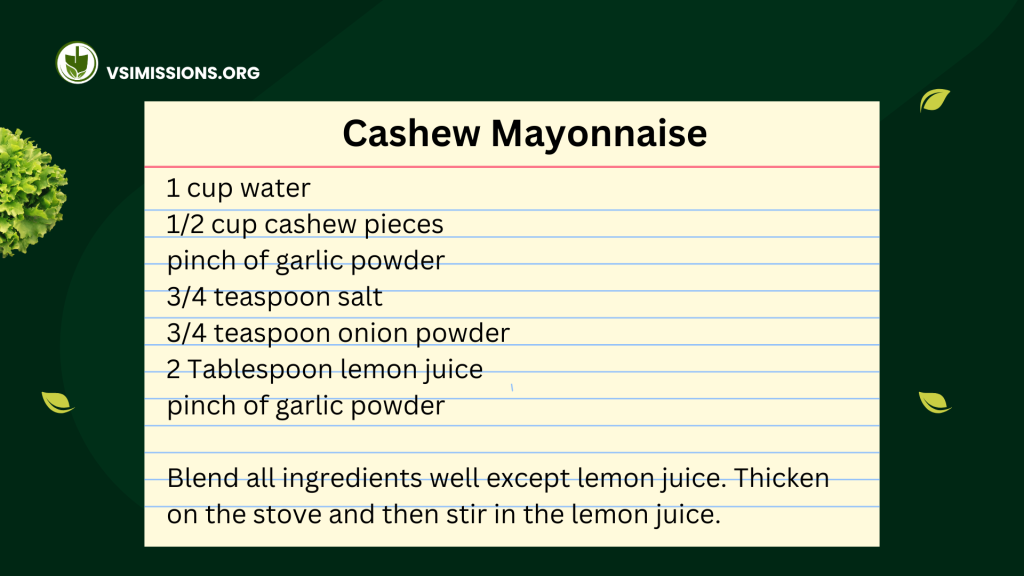
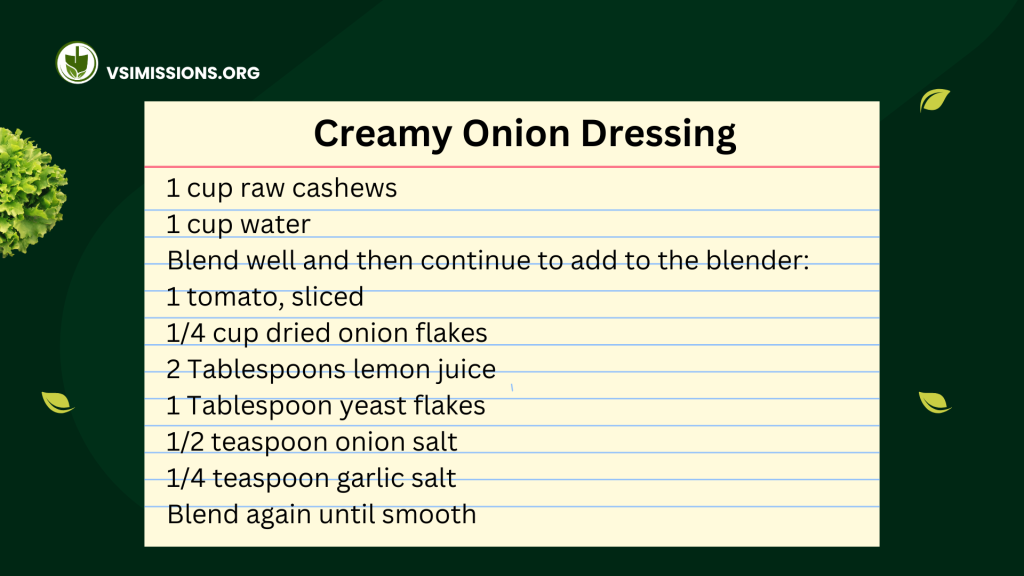
When it comes to using nuts in salad dressings, there’s a crucial point to keep in mind: in the United States, nuts are typically pasteurized. Although a nut may be labeled “raw,” this usually means it hasn’t been roasted—not that it hasn’t been pasteurized. Some pasteurization methods have been linked to carcinogenic effects. Therefore, I ensure I purchase my seeds and nuts from trusted sources that offer truly raw options. One reliable source is www.AzureStandard.com, which provides a variety of genuinely raw nuts.
Check Out the Video!
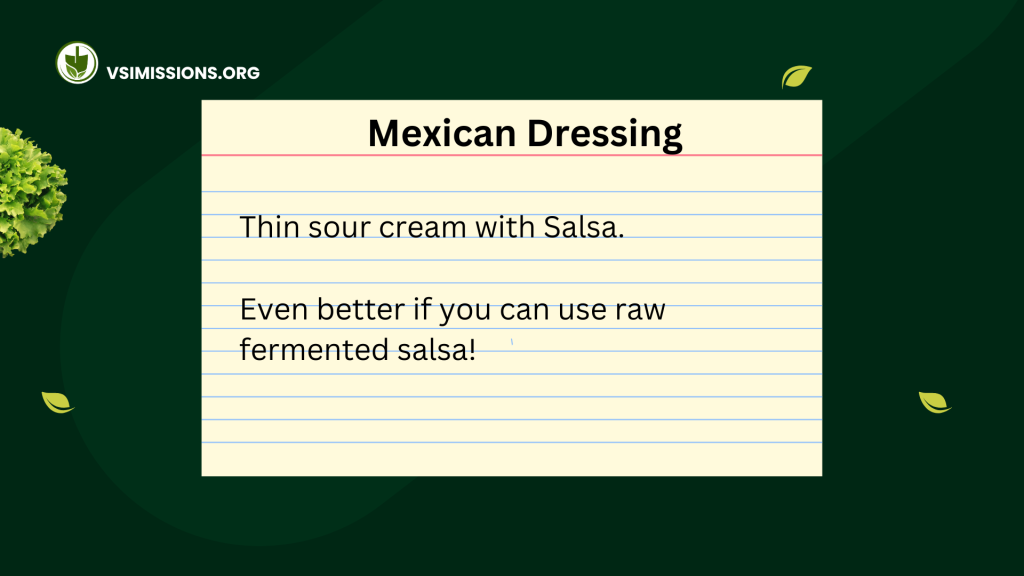
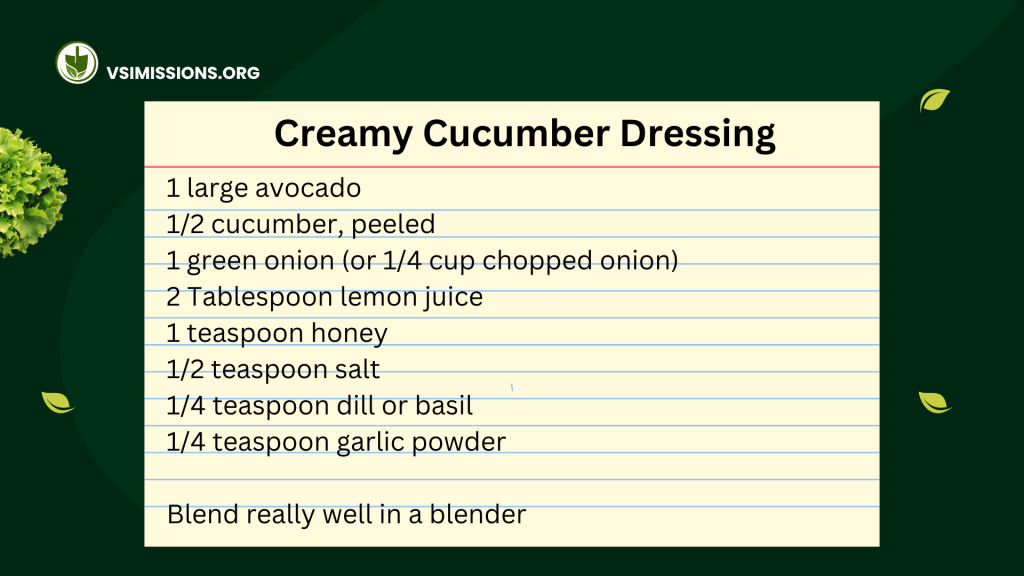
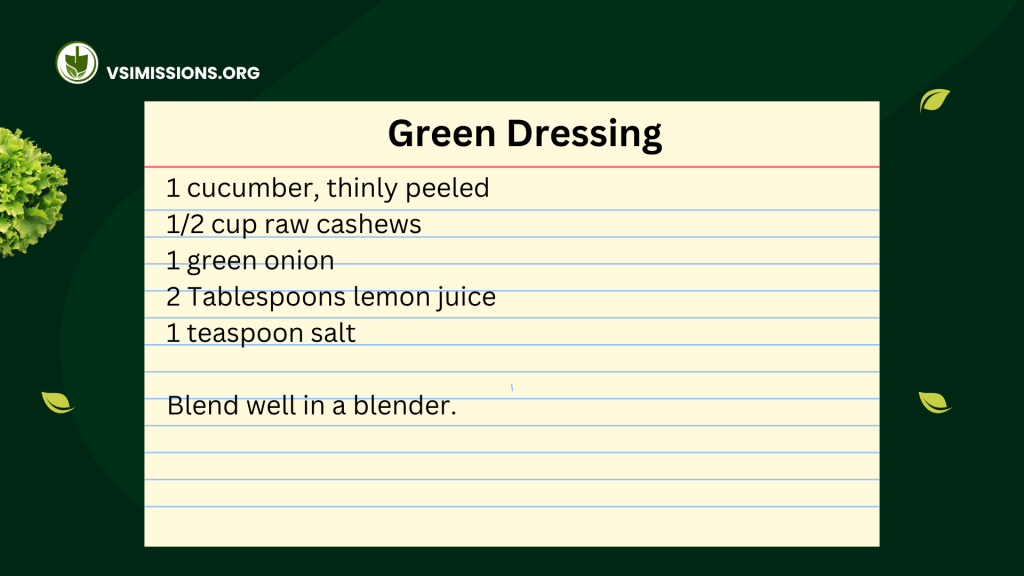
At the beginning of this blog, be sure to check out the corresponding video, where I’ll share some additional tips for success with making your own nourishing salad dressings.
Lastly, remember that while salads are a great way to eat more veggies, the choice of dressing can make a significant difference in your health. By moving away from store-bought dressings and embracing healthier homemade options, you can enhance your meals and nourish your body effectively.
As we continue on this journey of “Things I No Longer Buy,” let’s explore how we can simplify our lives and make healthier choices that align with our commitment to restoring mankind to the garden.