
Goodbye Candy! Embracing Healthier Options
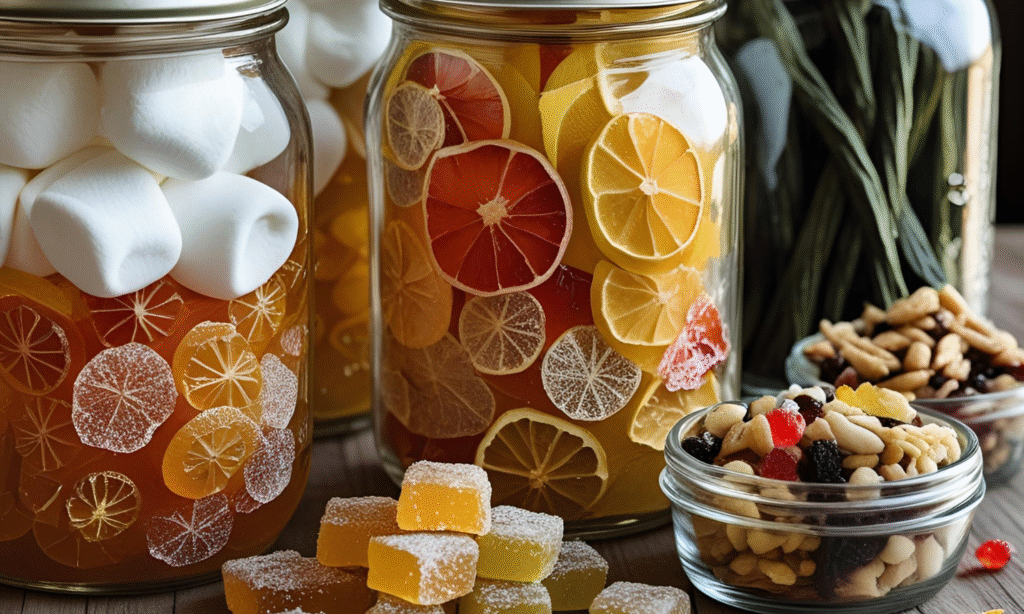
History of Candy
Candy originated as medicine! Remember the song from Mary Poppins “Just a spoonful of sugar makes the medicine go down…”. That’s how candy started! While it was sweetened, the herbs used in making the candy were helpful for combating common illnesses. This stands in great opposition to modern day USA made candy.
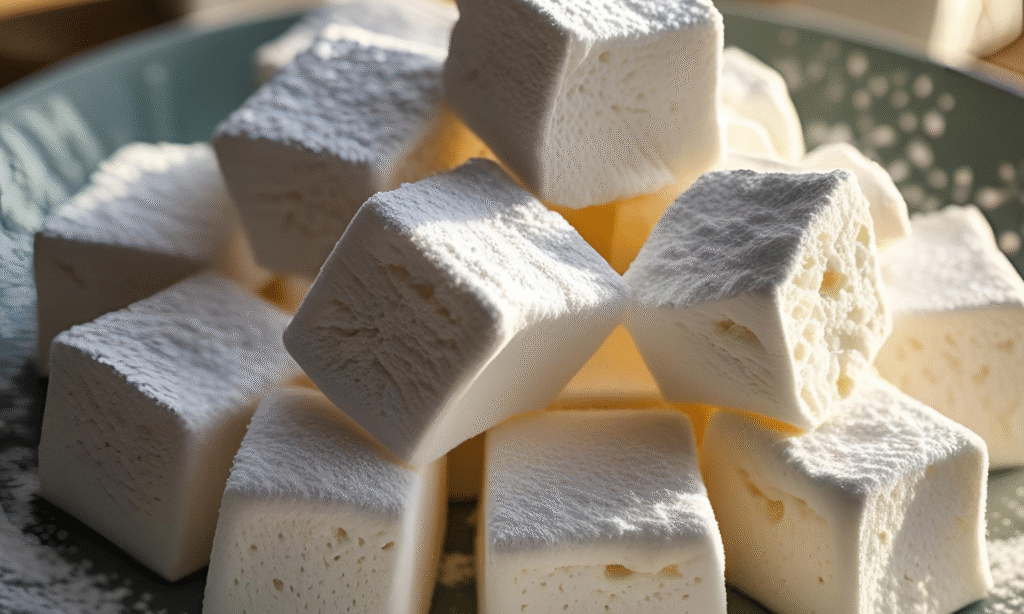
Example: Marshmallows
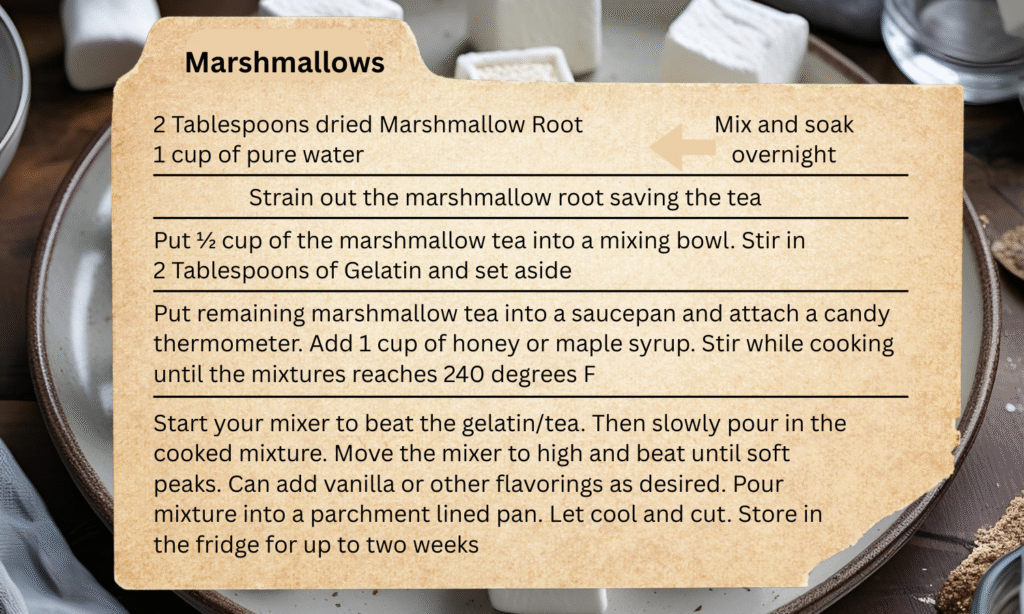
Marshmallows were originally made in Egypt 4000 years ago. The herb marshmallow root was soaked overnight in water to create a tea infusion that was the base for making the marshmallows. They can then be sweetened with honey or maple syrup and other healing ingredients added such as essential oils. Just imagine the Egyptians beating the solution without an electric mixer! With modern equipment, marshmallows can be made in just a few minutes, and kept about two weeks inside the fridge. With care, homemade marshmallows can be used to make s’mores.
Health Benefits of Real Marshmallow
Marshmallows were used for respiratory health, to soothe sore throats, and to aid digestion. Marshmallows are also comforting for your gut.
Other Herbal Candies
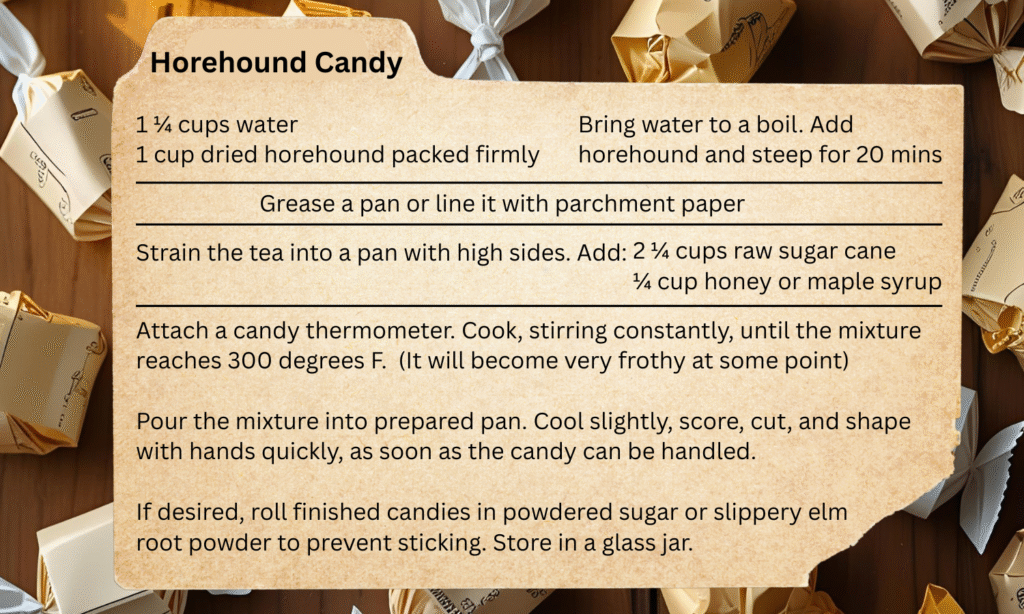
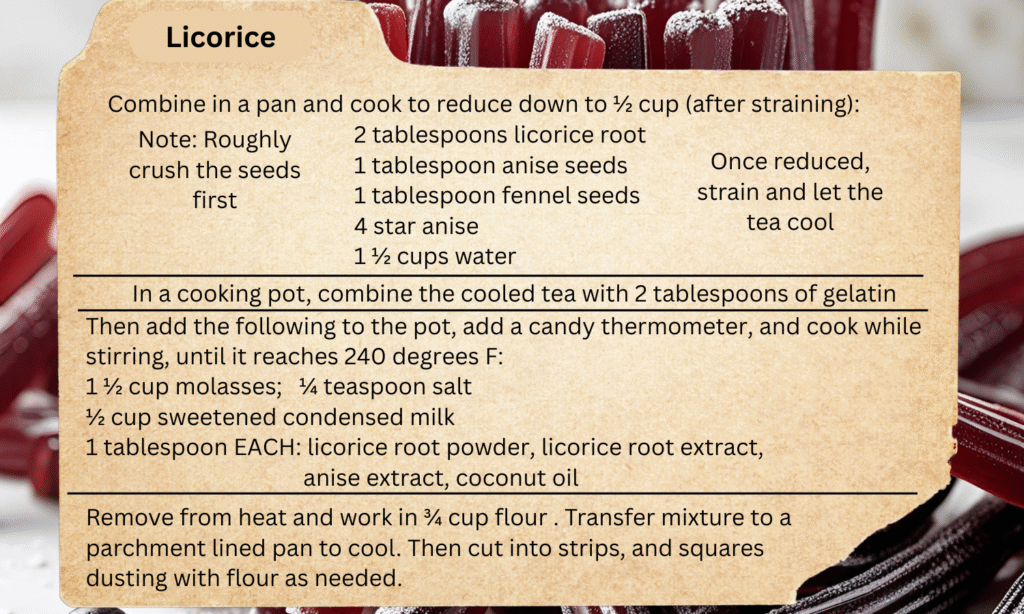
You might have heard of Horehound Candy. Horehound was also used for soothing sore throats. Candied ginger, or ginger candy drops, were used to help with nausea or menstrual cramps. Licorice candy was made with licorice root, anise, and fennel seeds. Licorice is said to help with heartburn, leaky gut, adrenal fatigue, and more.
Making Candy from What You Have
Unless you live in growing zones 11 or higher, you probably do not have cacao trees in your backyard. We have them in Liberia, but it would still require a lot of processing for us to get them to the “semi-sweet” chocolate we are used to consuming here in the US. Chocolate simply isn’t our resource, and yet the majority of candy sold today contains chocolate.
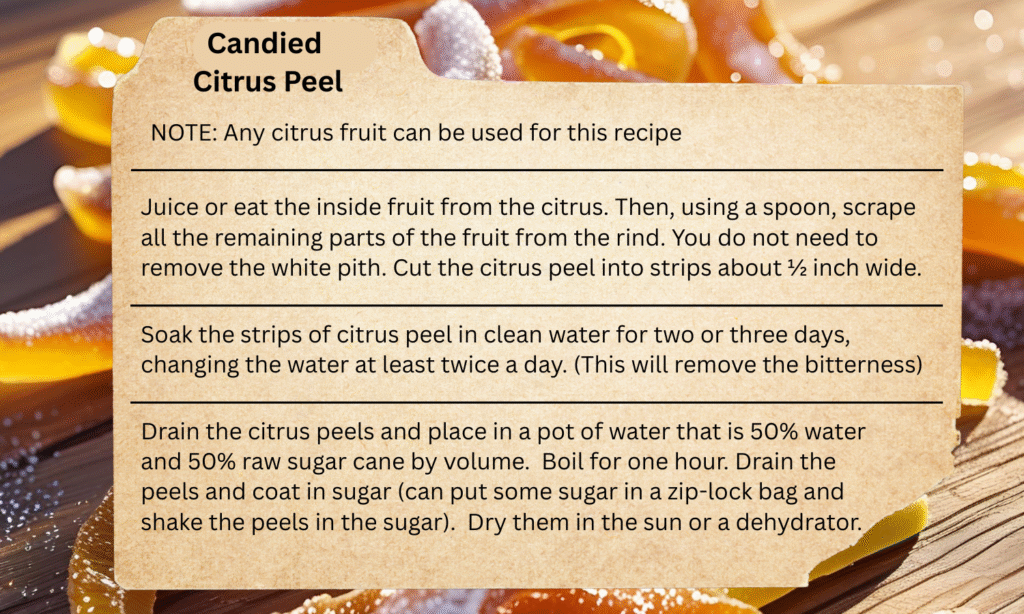
I love how candy was traditionally made from what you had. Candied citrus peel is a great example. I live in Florida; citrus is my resource. I have used citrus peels for pectin, for making citrus peel vinegar tinctures to use for cleaning, but I had never imagined making candy from the peels! The candy is super easy and delicious! I love chopping it up to add to trail mixes, cookies or salads. It is especially good on an arugula salad!
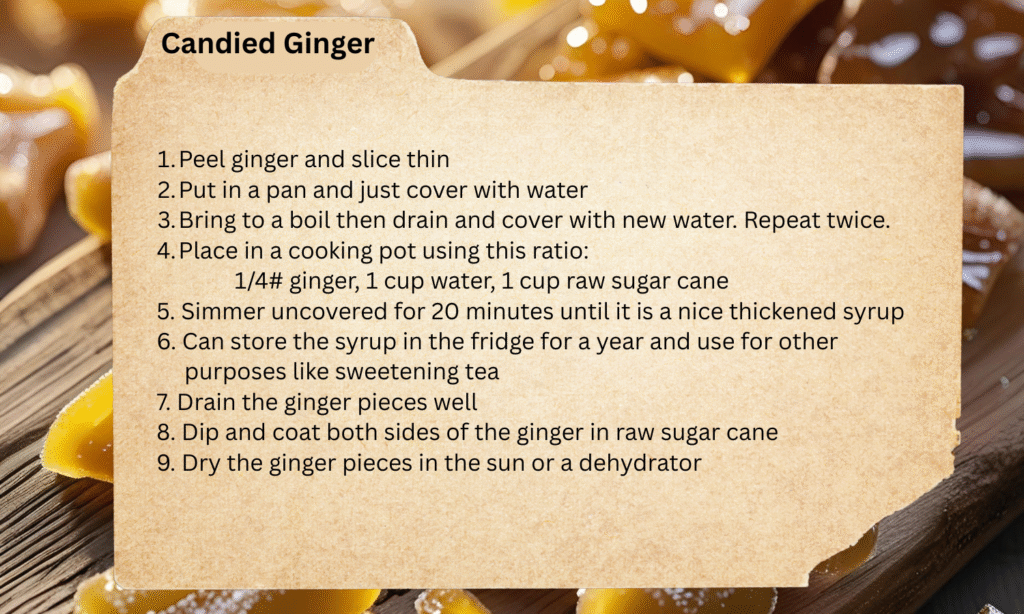
Ginger is easy to grow, and candied ginger is so delicious! Making candied ginger is a little labor intensive though just because it takes time to peel the ginger. Hint: using a spoon to scrap off the peel is the fastest way to peel ginger!
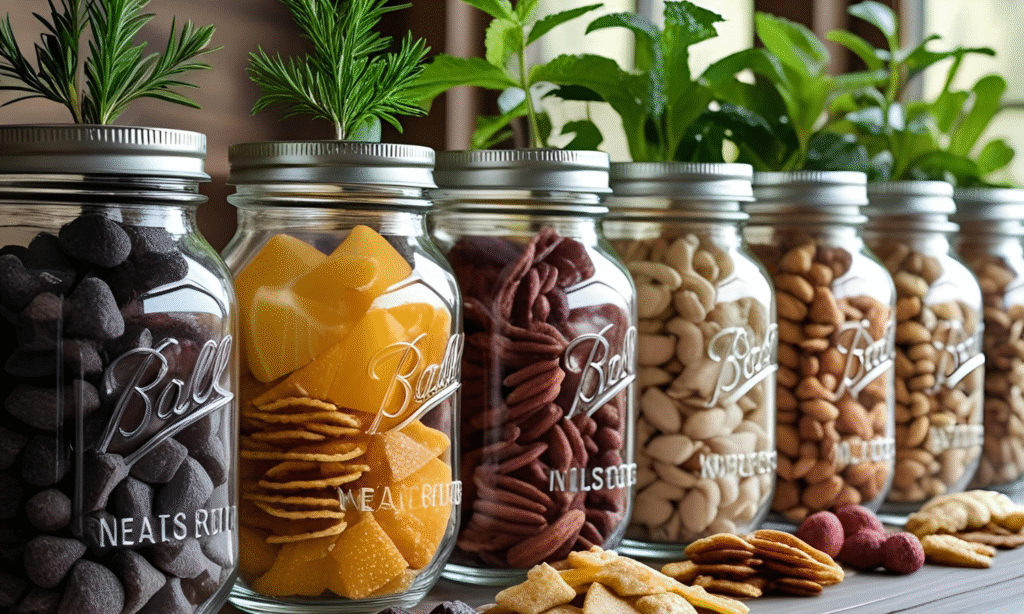
Trail mix is an easy substitute for candy. I used to pull out all of the different possible ingredients. Give each of my kids their own container and let them create their own unique “mix”.
Dangers of Modern US Candy
Let’s pause for a moment, and take a closer look at the American candy we are now consuming. We all know it isn’t good for us, but let’s define the dangers contained therein.
High Fructose Corn Syrup
You probably already know that high fructose corn syrup isn’t good; so I will just highlight a few reminders:
- Chloralkali used to extract high fructose corn syrup from corn is a mercury dependent process
- High fructose corn syrup doesn’t satisfy hunger, and causes overeating and obesity
- Fructose is not used by the brain or our muscles and can’t even be stored in our muscles. Instead it is stored in the liver causing fatty liver. Since the liver can store only so much, it spills out the excess causing visceral fat which leads to inflammation and other problems
- To really understand the damage caused by consuming high fructose corn syrup, read this article by the NIH (Natural Library of Medicine): https://pmc.ncbi.nlm.nih.gov/articles/PMC8267750/
Dyes
Artificial dyes are chemically man-made products, petroleum based, banned in other countries, provide no nutritional value, and many have been linked to cancer, ADHD, behavioral and emotional problems especially in children. According to Dr. Berg, red #40 has the ability to damage your DNA.
Depending on which website you visit, the United States produces somewhere between 15 and 28 million pounds of artificial food dyes every year, and includes them in a huge list of food and non food items, both obvious and hidden. Some 40,000 grocery store items are said to contain dyes. I can confidently tell you that NONE of my garden harvested foods contain man-made dyes!
A “natural” dye is also made from the cochineal beetle, a biblically unclean insect, and is used in dye E120 and Natural Red 4. This dye is found in yogurts, biscuits, chips, marshmallows, nestle strawberry mix and more.
Please see this testimony of a mother who was dealing with a suicidal seven year old due to the consumption of artificial dyes: https://www.youtube.com/watch?v=nQzOHAwCfXs. While she strongly recommends removal of dyes for children who are intolerant; why should any of us consume these man-made products, yet alone feed them to our children?

Insects
We already discussed one insect being used for the production of dyes, but the internet contains claims that other insects are also being used for other purposes. I would imagine there is truth to it or else there wouldn’t be any point in the above app that allows you to scan barcodes to find out which insects were included in the production of that food item.
Additives
Currently we have 10,000+ food additives allowed in the USA. The majority of these have not been independently tested for long term effects, and those that have been tested were usually tested by the manufacturer of the product they want to include the additive in. Hmmm…
Skittles has announced that they will remove titanium dioxide from its ingredients amid the growing influence of the ‘Make America Healthy Again’ (MAHA) movement led by Robert F. Kennedy Jr., Secretary of Health and Human Services. Sounds like they are saying titanium dioxide can also damage DNA! Check out this short video about it: https://www.foxnews.com/food-drink/beloved-american-candy-deemed-unsafe-eat-across-pond-due-hidden-chemicals
Conclusion:
We could continue to dig further into the dangers of consuming USA made candy, but I think I have made my point. I met a woman who told me a story about a relative of hers who worked for a candy factory. She told me that he had to change the recipe and ingredient list when making candies for export to other countries, versus candies made for our home country. This is another reminder not to trust that the FDA has our back in the area of safe food. We must do our own research, read labels, try to avoid processed foods, while striving to return to the garden one step at a time; or should I say one plant at a time!